
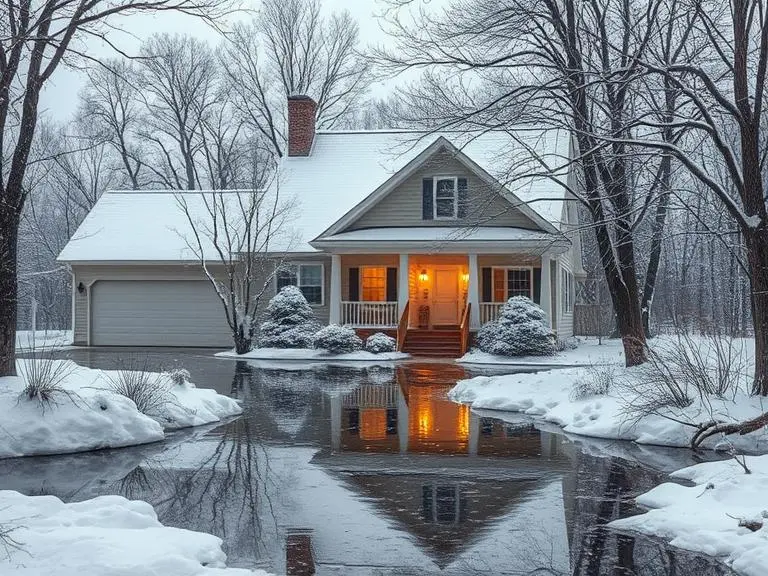
Winter weather in Washington, DC, and Maryland can be unpredictable, with the potential for heavy snowfall and rain leading to flooding. These conditions can transform picturesque winter scenes into serious water management challenges for homeowners. Flooding can cause significant damage to properties, making it crucial to be prepared and informed.
Both urban and rural areas face unique challenges when it comes to flood risks. Urban areas might experience rapid water accumulation due to pavement and storm drain limitations, while rural areas could face runoff issues from fields and open spaces. Understanding these differences helps residents tailor their flood prevention strategies more effectively.
Being aware of flood-prone zones and preparing your home can significantly reduce the risks associated with winter flooding. By taking proactive measures, you can protect your property and ensure the safety of your family during adverse weather conditions. As winter approaches, find out how you can equip your home against the threat of flooding.
Understanding Winter Flood Risks
Winter flooding in Washington, DC, and Maryland often results from a combination of weather conditions. Heavy snowfall followed by rapid melting can cause significant water overflow. When the ground is frozen, it cannot absorb the meltwater, leading to increased runoff. Rainfall during winter storms can exacerbate this issue, contributing to local flooding as storm drains struggle to keep up with the excess water.
Urban and rural areas experience flooding differently. In cities like DC, concrete and asphalt prevent water from soaking into the ground, making neighborhoods vulnerable to street flooding. The heavy reliance on stormwater systems means that clogged drains or heavy rainfall can quickly lead to waterlogged streets and basements. In contrast, rural areas might face flooding due to runoff from fields and open spaces, especially where vegetation is sparse during winter months.
Being aware of flood-prone areas is crucial for both urban and rural residents. This awareness can inform better planning and response strategies, minimizing potential damage. Residents should familiarize themselves with local flood maps to understand which areas are most at risk. Knowing the signs of impending floods and staying updated with local weather alerts plays a critical role in preparedness and safety during winter months.
Home Preparation Strategies
Preparing your home for winter floods begins with improving drainage systems around your property. Clear gutters regularly to prevent blockages that can lead to water overflow. Downspouts should direct water at least six feet away from your home’s foundation. Installing trench drains or French drains can further enhance drainage, guiding water safely away from crucial areas.
Checking and maintaining basement waterproofing is another vital step. Inspect for cracks or leaks in walls and floors, and seal any vulnerabilities with waterproof paint or sealant. Sump pumps serve as effective tools in keeping basements dry, especially during heavy rainfall or melting snow. Ensure your sump pump is in working condition and consider having a battery backup in case of a power outage.
Proper grading around your home helps direct water away from the foundation. The ground should slope away from your house by about one inch per foot for at least six feet. This slope reduces the risk of water pooling around your foundation, which can seep into your basement or crawl spaces. Regularly check your grading to make sure it’s effective and adjust as needed to maintain protection against winter flooding.
Emergency Flood Response Plan
Creating an emergency flood response plan helps ensure that you and your family stay safe during unexpected floods. Start by mapping out a family emergency plan that includes safe evacuation routes. Identify multiple escape paths in case some roads become impassable. Designate a meet-up spot in a safe area where family members can regroup if separated.
Prepare an emergency kit stocked with essentials. This should include a flashlight, batteries, a first-aid kit, and bottled water. Pack non-perishable food items and blankets to keep warm. Include necessary medications and copies of vital documents like ID cards and insurance policies. Having these supplies ready ahead of time can make a significant difference when you need to leave your home quickly.
Insurance plays a crucial role in flood preparation. Confirm that your homeowner’s insurance policy covers flood damage, as many standard policies do not. Consider purchasing additional flood insurance if necessary. Keep important documents, like deeds and insurance certificates, in a waterproof container or digitally backed up. Being insured and organized can greatly aid recovery efforts after a flood.
Recovering After a Flood
After a flood, prioritize safety. Ensure that you, your family, and pets are in safe locations before assessing your home. Avoid entering damaged structures until authorities confirm it’s safe to do so. Turn off electricity and gas to prevent accidents and check for hazardous conditions like downed power lines or leaking gas.
Assess the damage by carefully documenting everything. Photograph and record videos of affected areas for insurance claims. Make a list of damaged items, noting their original value and condition. This information will support insurance claims and aid in receiving compensation for losses. It’s crucial to document the damage as soon as it’s safe to ensure accuracy.
Professional water damage restoration is essential in preventing long-term issues. Seeking experts can help restore your home efficiently, removing excess water and drying affected areas. Mold prevention should be a priority because mold grows rapidly in damp conditions, leading to health problems and structural damage. Professional services ensure thorough cleaning and sanitization, helping your home recover completely.
Conclusion
Winter flooding poses significant challenges for residents of Washington, DC, and Maryland. Being prepared can protect your home and your loved ones during these unpredictable events. Proactive strategies in understanding flood risks, preparing your home, and setting up an emergency plan can greatly reduce damage and facilitate quicker recovery.
Restoring your home quickly and effectively is crucial when dealing with property damages. At Three Rivers Builders, we offer professional home restoration services to address flood impacts and restore your home’s integrity. Our expert team is ready to assist you in navigating these challenges with efficiency and care, ensuring your property is not just repaired but also fortified against future risks.

