
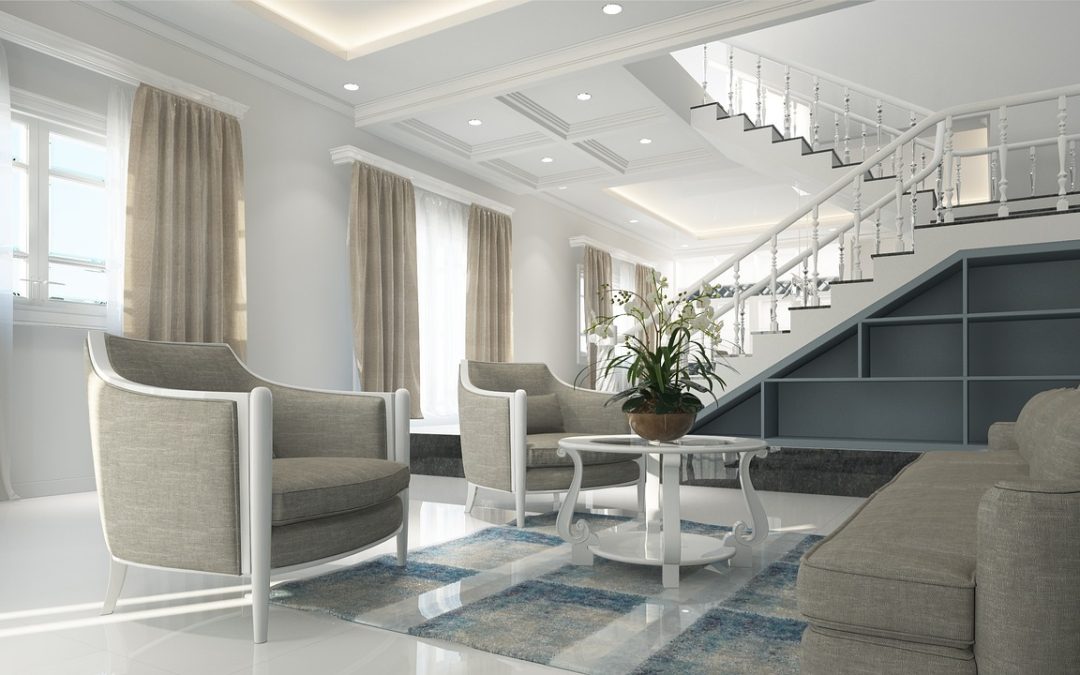
Building a new home is an exciting journey. It’s a chance to create a space that perfectly fits your lifestyle and preferences. From choosing the right layout to incorporating the latest technology, every decision shapes the home of your dreams.
In this article, we’ll explore a range of new build design ideas to inspire your dream home. Whether you’re planning a cozy retreat or a modern marvel, these tips will help you create a space that’s both functional and beautiful.
Embracing Open-Concept Layouts
An open-concept layout is one of the most sought-after design trends for new builds. This layout removes walls that separate the kitchen, dining, and living areas, creating one large, flowing space.
Benefits of Open-Concept Layouts:
– Spacious Feel: Open-concept homes feel much larger. Without walls blocking the view, the area appears bigger and more inviting.
– Natural Light: With fewer walls, natural light can spread throughout the home. This makes the space feel brighter and more cheerful.
– Better Interaction: Open spaces encourage interaction among family members. It’s easier to keep an eye on kids or chat with guests while preparing a meal.
Design Tips for Open Layouts:
– Focal Points: Use furniture and rugs to create distinct areas within the open space. A cozy sofa can define the living area, while a large dining table can anchor the dining area.
– Consistent Design: Maintain a consistent color scheme and style throughout the open space. This creates a cohesive look and avoids a cluttered feel.
– Storage Solutions: Incorporate smart storage options, like built-in shelves or kitchen islands with cabinets. This helps keep the space tidy and organized.
Open-concept layouts offer flexibility and a modern feel, making them a popular choice for new homes. They create a welcoming environment perfect for modern living.
Integrating Smart Home Technology
Smart home technology is transforming how we live. Integrating these gadgets into your new build can add convenience, security, and energy efficiency.
Smart Home Essentials:
– Smart Thermostats: These devices learn your schedule and adjust the temperature to keep you comfortable while saving energy. You can control them remotely using your smartphone.
– Smart Lighting: Smart bulbs and switches allow you to control lights with voice commands or an app. Set schedules or create mood lighting with ease.
– Security Systems: Modern security systems include smart locks, cameras, and alarms. Monitor your home from anywhere and receive alerts if something unusual happens.
Benefits of Smart Home Technology:
– Convenience: Control your home’s features with a simple tap on your phone. This makes daily tasks easier and more efficient.
– Energy Savings: Smart thermostats, lights, and appliances help reduce energy use. This is great for the environment and can lower your utility bills.
– Enhanced Security: Smart security systems provide peace of mind. You can monitor your home in real-time and quickly respond to any concerns.
Planning Smart Tech Integration:
– Start with Basics: Begin with essential devices like thermostats and lights. You can expand your system as you become more comfortable with the technology.
– Future-Proofing: Choose devices compatible with popular smart home platforms. This ensures you can easily add new devices later.
Smart home technology enhances your living experience by offering convenience, security, and efficiency. It’s a worthwhile investment for any new build.
Utilizing Natural Light and Sustainable Materials
Using natural light and sustainable materials can create a healthier and more eco-friendly home. This ensures a comfortable living environment while being kind to our planet.
Benefits of Natural Light:
– Mood and Health: Natural light improves mood and reduces stress. It also helps regulate sleep patterns by maintaining the body’s natural circadian rhythm.
– Energy Efficiency: Large windows and skylights reduce the need for artificial lighting during the day. This can significantly lower your energy bills.
Tips for Maximizing Natural Light:
– Window Placement: Place windows strategically to capture the most sunlight. South-facing windows provide the best light all day long.
– Mirrors and Reflective Surfaces: Use mirrors and light-colored surfaces to reflect light deeper into the room. This can brighten even the darkest corners.
– Open Floor Plans: Remove unnecessary walls that block light. Open spaces allow the light to flow freely throughout the home.
Sustainable Material Choices:
– Bamboo Flooring: Bamboo is a fast-growing, renewable resource. It’s also durable and adds a beautiful natural touch to your home.
– Recycled Materials: Use recycled glass, steel, and reclaimed wood. These materials reduce waste and minimize environmental impact.
– Low-VOC Paints: Choose low-VOC (volatile organic compounds) paints. They emit fewer harmful chemicals, improving indoor air quality.
By thoughtfully integrating natural light and sustainable materials, you can create a bright, healthy, and eco-friendly home. This approach benefits both your well-being and the environment.
Creating Functional Outdoor Living Spaces
Outdoor living spaces extend your home’s comfort and usability into the great outdoors. They provide an ideal spot for relaxation, entertainment, and family activities.
Designing an Outdoor Living Space:
– Define the Purpose: Determine how you plan to use your outdoor space. This could be for dining, lounging, gardening, or play areas for kids.
– Weather Considerations: Choose materials and furniture that withstand the local weather conditions. This ensures durability and longevity.
Essential Features for Outdoor Spaces:
– Comfortable Seating: Invest in durable, comfortable seating options. Lounge chairs, outdoor sofas, and benches provide ample seating for guests.
– Outdoor Kitchen: An outdoor kitchen with a grill, sink, and counter space can transform your backyard into a perfect spot for entertaining.
– Shade and Shelter: Pergolas, awnings, or umbrellas provide much-needed shade on sunny days. They also help protect against unexpected rain.
Landscaping and Greenery:
– Planters and Gardens: Incorporate planters, flower beds, and vegetable gardens. These add beauty and a touch of nature.
– Paths and Lighting: Use stone paths and solar-powered lights to create an inviting atmosphere. Lighting also ensures safety when it’s dark.
Creating functional outdoor living spaces enhances your lifestyle. These spaces allow you to enjoy the beauty of nature right at home and provide extra areas for spending time with family and friends.
Conclusion
Designing your dream home involves thoughtful planning and creativity. By embracing open-concept layouts, you create a spacious and welcoming living environment. Integrating smart home technology adds convenience, security, and energy efficiency, making daily tasks easier. Utilizing natural light and sustainable materials not only improves your home’s aesthetics but also ensures a healthier, more eco-friendly space. Creating functional outdoor living areas allows you to enjoy the beauty of nature while extending your home’s livable space.
At Three Rivers Builders, we believe in creating homes that meet your needs and reflect your style. Whether you’re building from scratch or making renovations, our team is here to help. Ready to start designing your dream home? Choose our team as your partner new home builder today to bring your vision to life!

