
In today’s world, more and more homeowners are realizing the value of energy efficiency not only for its environmental benefits but also for its potential to reduce utility bills and enhance overall comfort. As a 5-star new home builder in Maryland and DC, Three Rivers Builders is dedicated to crafting elegant, affordable, and energy-efficient living spaces. By incorporating sustainable design strategies and materials during the construction or remodeling process, we help homeowners reduce their carbon footprint, conserve valuable resources, and enjoy long-term savings.
In this informative article, we will discuss various energy-efficient home design strategies, from insulation and sealing to smart technology integration, passive solar design, and more. Our aim is to empower you with the knowledge and tools necessary to create a sustainable, cost-effective living space that is not only beautiful but also environmentally responsible.
Trust the experienced team at Three Rivers Builders to be your guide and partner throughout your quest for an energy-efficient home design. Our commitment to quality craftsmanship, innovation, and customer satisfaction ensures that your living space will be thoughtfully designed and constructed to meet your unique needs, preferences, and environmental goals. Together, we can create a stunning, eco-friendly home that you can be proud of for years to come.
Energy-Efficient Home Design: Strategies for a Sustainable, Cost-Effective Living Space
1. Insulation and Air Sealing
Proper insulation and air sealing are crucial for an energy-efficient home, as they ensure a consistent indoor temperature while reducing heating and cooling costs.
a. Benefits of Insulation
– Energy Savings: Adequate insulation minimizes heat transfer, resulting in less energy consumption for heating and cooling.
– Enhanced Comfort: Well-insulated homes maintain a consistent temperature, preventing drafts and cold spots.
– Noise Reduction: Insulation can also serve as a sound barrier, minimizing noise transmission between rooms and from outside sources.
b. Air Sealing Techniques
– Caulking: Apply caulk to seal cracks and gaps around windows, doors, and plumbing fixtures.
– Weatherstripping: Install weatherstripping to seal gaps around movable components, such as doors and windows.
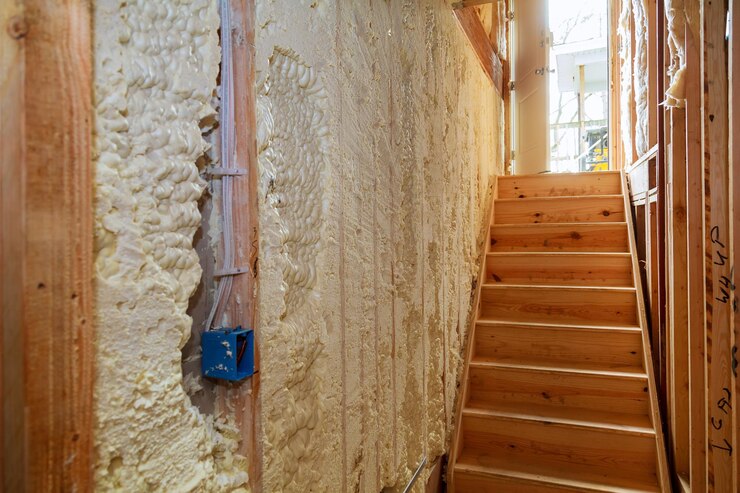
– Foam Sealants: Use foam sealants to insulate and seal larger gaps or holes in your home’s exterior.
2. Smart and Energy-Efficient Technology
Integrating technology into your home can provide greater control over energy consumption while improving comfort and convenience.
a. Smart Thermostats
– Programmable Settings: Smart thermostats allow for customization of temperature settings throughout the day, reducing energy waste.
– Remote Access: Control your home’s thermostat from anywhere using a smartphone or computer.
b. Energy-Efficient Appliances
– Look for ENERGY STAR-rated appliances, which have been designed to optimize energy consumption without compromising on performance.
– Replace older, less efficient appliances with newer models to enjoy energy savings and a decreased environmental impact.
3. Passive Solar Design
Harnessing the power of the sun through passive solar design can reduce energy demands for heating, cooling, and lighting.
a. Strategies
– Position windows to maximize southern exposure, allowing natural sunlight to warm your home during colder months.
– Use thermal mass materials, such as concrete or stone, that can absorb, store, and release heat, maintaining a comfortable indoor temperature.
– Incorporate shading devices, such as awnings or pergolas, to shield your home from direct sunlight during warmer months.
b. Benefits
– Reduced Energy Costs: Passive solar design reduces reliance on traditional heating and cooling systems, resulting in lower energy bills.
– Enhanced Comfort: A well-designed passive solar home maintains a more comfortable and stable indoor temperature.
– Environmental Sustainability: Utilizing natural sunlight reduces your home’s carbon footprint and contributes to a greener planet.
4. Water Conservation Strategies
Incorporating water-saving features and practices into your home design can significantly reduce water waste and decrease utility bills.
a. Low-Flow Fixtures
– Install low-flow faucets, showerheads, and toilets to reduce water consumption without sacrificing performance.
– Consider tankless water heaters, which heat water on-demand, minimizing energy usage and water waste.
b. Landscape Design
– Opt for native, drought-tolerant plants that require less water and maintenance.
– Utilize efficient irrigation methods, such as drip irrigation or smart sprinkler systems that can be programmed according to weather conditions and plant needs.
Embrace Energy-Efficient Home Design with Three Rivers Builders
Creating an energy-efficient home design requires careful planning, attention to detail, and the skillful integration of various sustainable strategies and materials. By partnering with Three Rivers Builders, you can trust in our expertise and commitment to delivering an elegant, cost-effective, and environmentally friendly living space that exceeds your expectations.
As a 5-star new home builder in Maryland and DC, we pride ourselves on our dedication to exceptional craftsmanship, innovative design, and unparalleled customer satisfaction. Allow our team of experts to guide you through the process of achieving an energy-efficient home design tailored to your unique needs and desires. Together, we can create a breathtaking, sustainable living environment that you will take pride in for years to come.
We are the best home builders in Maryland today to begin your journey towards an energy-efficient, elegant, and comfortable home. Contact the trusted professionals at Three Rivers Builders today!

